Iboga reaches people in four forms, and they are four different products rather than four strengths of one. Root bark is plant material. Total alkaloid extract is everything alkaloid taken out of it. Purified total alkaloid is that taken further. Hydrochloride is a single isolated compound as a salt. Only the last is what the published research means by ibogaine, and in the one analysis of provider-supplied material, even that ran from 61.5 to 73.4 per cent.
Almost everything written about this subject is written about ibogaine, a molecule. Almost everything anyone actually encounters is a preparation, and the preparation is where the danger sits. What sits alongside the ibogaine in each of these forms, and in what proportion, is set out in the other alkaloids of iboga. A reader who understands the pharmacology of ibogaine perfectly and does not understand the difference between TA and HCl knows the less useful half.
The four things
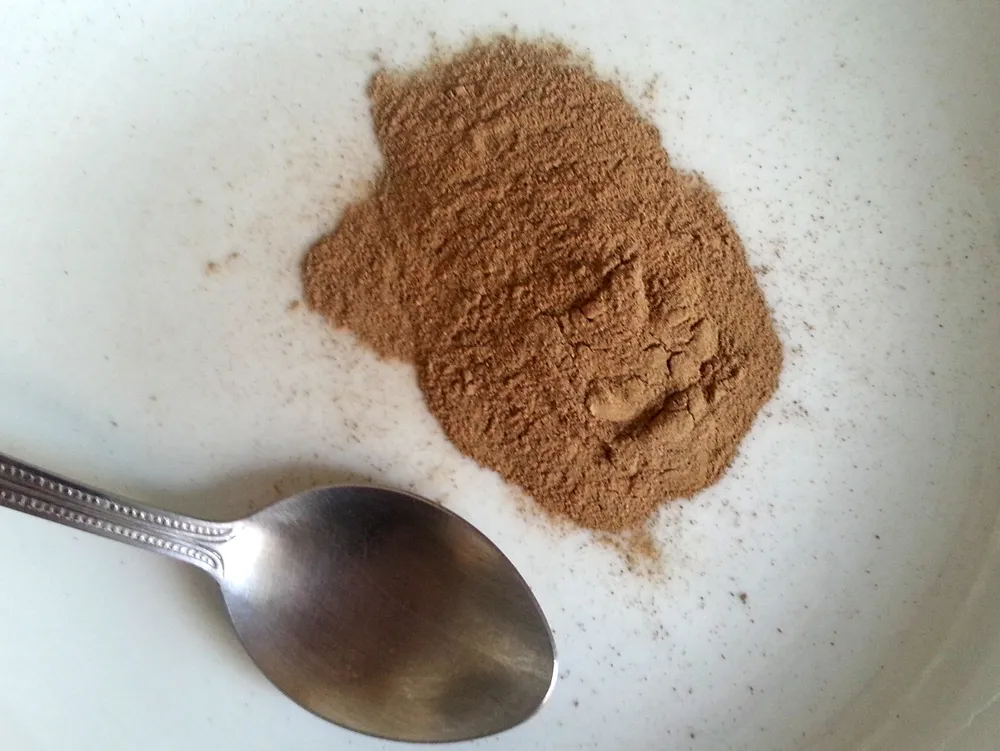

Root bark. The plant material of Tabernanthe iboga, shaved or ground. This is the form Bwiti practice uses and the only form with a ritual history. Its ibogaine content varies with the part of the root, the age of the plant and where it grew. Root bark covers the botany.
Total alkaloid extract, sold as TA. Everything alkaloid pulled out of the bark, so ibogaine together with the thirty or so other alkaloids the plant carries, in proportions the packet does not state.
Purified total alkaloid, sold as PTA. An extract taken further than TA and stopping short of a single compound. What “further” means is not defined anywhere.
Ibogaine hydrochloride, sold as HCl. The isolated alkaloid as a salt. This is what a clinical paper means when it says ibogaine, and it is the only form that maps onto the published pharmacology at all.
Root bark is a botanical description and hydrochloride is a chemical one. Both mean something outside the market that sells them.
TA and PTA do not. No pharmacopoeia defines either, no regulator inspects against them, and no analytical threshold separates one from the other. Two products sold as PTA by different suppliers need not contain remotely the same thing, and neither supplier is doing anything irregular by their own lights, because there is no standard to be irregular against.
What was actually in them
The point stops being abstract at exactly one place in the literature.
Sixteen commercial products were solicited from five known vendors and submitted from nine countries, then analysed. The samples were gathered by 2013 and the results published in 2020, and the authors note the market has moved since.
| Sold as | Ibogaine measured |
|---|---|
| Root bark | 0.6 to 11.2 per cent |
| Ibogaine hydrochloride | 61.5 to 73.4 per cent |
| One product | No iboga alkaloids at all |
Two readings of that table matter, and the second is the one usually missed.
The bark spread is close to twentyfold. The same weight from two batches carries almost twenty times the drug. That is the figure most often quoted, and it is alarming enough.
But look at the hydrochloride row. This is the purified form, the pharmaceutical one, the one whose name is a chemical specification. Between a quarter and two-fifths of it was something else, and what that something else was is not established by the label, by the vendor, or by anybody the buyer could ask.
Every figure above assumes the bag contains iboga. At least once, it did not.
A thirty-year-old woman died after taking a powder sold online as Tabernanthe iboga. Forensic analysis found no ibogaine in it. It contained ajmaline, yohimbine and reserpine, which are alkaloids of Rauvolfia, a different genus altogether.
This is a different kind of failure from the ones this page is about. The four forms at least describe real preparations of a real plant. Substitution is outside that system entirely, and no amount of care about which form you have protects against material that is not the species at all.
How often it happens is unknown. That it happens is not.
The equivalence trap
This is the practical failure the page exists to name.
A person reads a figure somewhere. The figure came from a study, and studies use hydrochloride. They then apply it to material in front of them, which is bark, or TA, or something sold as PTA.
They have performed a conversion between two quantities that are not convertible, using an exchange rate that does not exist, on a product whose content nobody has measured. Every one of those three steps is independently sufficient to make the result meaningless.
The UK National Poisons Information Service case series shows what this looks like when it reaches a hospital: quantities people had taken ranged from five grams to thirty-four, most of it root bark, none of it of verified alkaloid content. Those numbers are not comparable to each other, and nobody involved could have known that at the time.
There is no conversion table here between bark, TA, PTA and hydrochloride, because an honest one cannot be written. The inputs it would need are unmeasured for every product on the market.
This site publishes no quantities for any form of iboga, in any context. A number here would be read as guidance and could not be anything but a guess dressed as one.
Where each form comes from
The forms differ in origin as well as in content, and this is where the subject returns to Gabon.
Root bark is Tabernanthe iboga. It is the Gabonese plant, the one Bwiti uses, and harvesting it generally means the end of that plant, because the useful material is underground. TA and PTA are extracts of the same bark, so they carry the same origin and the same harvest cost.
Hydrochloride frequently does not. Much commercially available ibogaine is made semi-synthetically from voacangine, drawn from the bark of Voacanga africana, a different and more abundant African tree that survives the harvest. A 2021 process paper found voacangine at about 0.8 per cent of that bark’s dry weight, with dimers containing the same unit at around 3.7 per cent, and describes direct isolation from Tabernanthe iboga as low yielding.
So the purest form is the one least likely to have come from Gabon, and the form with the ritual history is the one that kills the plant. Where ibogaine actually comes from sets out what is known about the split, which is less than people assume.
Plant-extracted and semi-synthetic ibogaine have been tested against the same cardiac ion channel and blocked it at concentrations within assay variation of each other.
No form on this page is the gentle one. The form governs how much alkaloid a person is exposed to and how badly that can be predicted. It does not govern what the alkaloid does once it is in them, which is set out on ibogaine and the heart.
The short version
Four products, one subject, and no standard connecting them. The names describe processes rather than contents, the only published analysis found a twentyfold spread in one form and a third of the mass unaccounted for in another, and no figure derived from one form transfers to another.
Iboga versus ibogaine covers the plant and the molecule as categories. Buying iboga online covers what happens when these four names meet a marketplace with no analysis behind any of them.
Common questions
Sources
6 sources · How we source
- Death related to consumption of Rauvolfia sp. powder mislabeled as Tabernanthe iboga
- An analytical study of iboga alkaloids contained in Tabernanthe iboga-derived products offered by ibogaine treatment providers
- Phytochemical characterization of Tabernanthe iboga root bark and its effects on dysfunctional metabolism and cognitive performance in high-fat-fed C57BL/6J mice
- hERG Blockade by Iboga Alkaloids
- A case series of ibogaine toxicity reported to the UK National Poisons Information Service over a 10-year period
- Efficient Access to the Iboga Skeleton, Optimized Procedure to Obtain Voacangine from Voacanga africana Root Bark
More in The plant

Ibogamine and the Other Alkaloids of Iboga
What is ibogamine, how does it differ from ibogaine, and what have analyses found in iboga bark and extracts? A sourced look at the evidence and its limits.
Growing Iboga from Seed
Germination is slow, irregular, and fails once the seed coat dries. What the botanical record says, and where iboga is already farmed.