Published ibogaine contents for iboga root and root bark run from under two per cent to over seven. Those figures come from different tissues, different methods and different suppliers, and no controlled comparison has ever been published. The spread is not a botanical footnote. It is why a dose measured in grams of bark is not a dose of anything known.
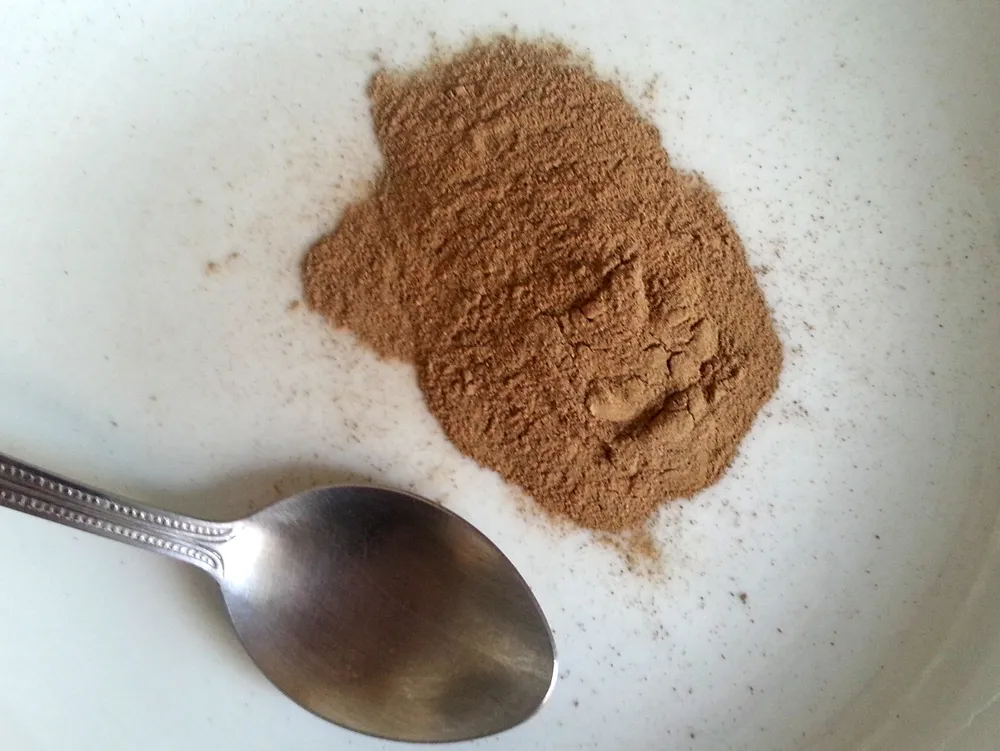

The root bark is the part that matters, and almost everything written about it repeats a number without saying where it came from.
What is in it
The alkaloids concentrate in the root bark far more than anywhere else. From the botanical monograph:
| Plant part | Total alkaloids |
|---|---|
| Root bark | 5 to 6 per cent |
| Roots | 1 to 2.5 per cent |
| Stem bark | 2 per cent |
| Seed | 1 per cent |
| Leaves | 0.4 to 0.8 per cent |
Ibogaine is the most abundant of them. But “around thirty alkaloids” is a sentence that needs unpacking, because it is routinely overstated.
A 2018 analysis using high-resolution mass spectrometry assigned thirty indole alkaloids to the root bark. Seven had previously been reported for this species: ibogaine, iboxygaine, ibogaline, catharanthine, ibogamine, voacangine and coronaridine. The other twenty-three are tentative assignments matched against compounds reported in other plants, and a further forty-eight peaks were left unidentified.
By peak area in that sample, ibogaine accounted for about a quarter of the alkaloid signal. Most of what is in root bark is other things, and most of those other things have never been studied in a person.
The numbers do not agree, and here is why
This is the part with practical consequences.
| Source | Material | Content |
|---|---|---|
| Classical figure, 1940s to 1950s | Root bark | 5 to 6 per cent total alkaloids |
| 2018 mass spectrometry | Powdered root bark | 1.93 per cent ibogaine, 7.8 per cent total alkaloids |
| 2013 forensic analysis | Powdered root | 7.2 per cent “iboga content” |
| 2026 case series | Root bark | About 3.8 per cent by mass |
Four figures, a nearly fourfold spread, and they are not measuring the same thing. The 2013 result is whole root rather than bark, used a different analytical technique, and is not a measurement of ibogaine. Its abstract says “the iboga content in the powder was 7.2%”, in a paper whose title is the determination of ibogaine and ibogamine. Whether 7.2 per cent is ibogaine alone or the two together is not stated, and we could not obtain the full text to settle it. We have seen this figure quoted as an ibogaine content, including once by us, and it does not support that reading. The 2018 study’s own authors note that their total is higher than the classical five to six per cent but lower than the 2013 root figure.
Ibogaine is also not the only thing being measured. The same material carries ibogamine, ibogaline and voacangine in quantities nobody reports alongside the ibogaine figure, which the other alkaloids of iboga sets out.
Nobody has published a controlled comparison. No study has taken botanically verified material from known plants and measured how content varies by provenance, age, season or tissue. Until someone does, the honest position is that the published range is confounded and the true biological variation is unmeasured.
A gram of root bark is a volume of plant material. It is not a dose of a drug.
At 1.93 per cent, a gram delivers about 19 milligrams of ibogaine. At 7.2 per cent it delivers 72. That is nearly a fourfold difference from the same stated quantity, before any consideration of who is taking it.
And the person taking it varies too. The enzyme that clears ibogaine differs about thirty-sevenfold in activity between people. Noribogaine covers that, and buying iboga online covers what actually arrives when people order it.
Where the classical figure came from is itself worth knowing. It traces to a Paris pharmacy thesis of the 1940s and a paper from 1952, neither of which we were able to obtain. A number quoted in every modern paper rests on documents almost nobody citing it has read.
The highest figure comes from a death
The 7.2 per cent measurement is the one most often quoted for potency, usually without its context.
It comes from a forensic paper analysing the powder taken by a 27-year-old man who died about twelve hours after ingesting it during an attempted withdrawal treatment. The analysis of the material was done because he died.
The same paper records that he had methadone and diazepam in his blood at therapeutic concentrations, and attributes death to the quantity of iboga taken in the context of that combination. Ibogaine drug interactions sets out why the methadone matters.
We give the number because it is the published range’s upper bound. We give the context because a potency figure lifted out of a death report and used to describe a product is a specific kind of dishonesty.
One study that did the right thing
A 2026 case series of three people using iboga root bark had the material assayed at a university laboratory, and reported it: about 3.845 per cent ibogaine by mass.
That is one sample analysed once, and it is more than almost anyone does. It let the authors state what their participants actually received in milligrams rather than in grams of bark. Everything else published about root-bark dosing is guesswork by comparison.
What taking the bark costs the plant
Root bark is not harvested the way bark usually is.
The botanical monograph records that whole plants are uprooted to obtain the roots, and that this leads to large-scale destruction of natural stands. The plant reaches about 60 centimetres in three years and needs five to six years before it reproduces, so a harvested plant is several years of growth removed at once.
Growing iboga covers propagation, which is the part of this that could change, and iboga in Gabon covers the export suspension and the 2026 decree regulating the whole chain.
The distinction to carry away
Iboga versus ibogaine sets this out fully, and the short version belongs here.
Root bark is a plant material of unmeasured variability containing around seventy-eight alkaloid features, seven of them securely identified. Ibogaine is one purified compound at a known concentration.
Almost every published safety figure, every trial, and every cardiac measurement in the literature was produced with the purified compound. None of it transfers cleanly to a quantity of bark.
Common questions
Sources
4 sources · How we source
- Phytochemical characterization of Tabernanthe iboga root bark and its effects on dysfunctional metabolism and cognitive performance in high-fat-fed C57BL/6J mice
- Fatal case of a 27-year-old male after taking iboga in withdrawal treatment
- Tabernanthe iboga (PROTA)
- Clinical improvement following an integrative iboga microdosing protocol in post-concussive and hypoxic brain injury syndromes: a case series
More in The plant

Ibogamine and the Other Alkaloids of Iboga
What is ibogamine, how does it differ from ibogaine, and what have analyses found in iboga bark and extracts? A sourced look at the evidence and its limits.
Growing Iboga from Seed
Germination is slow, irregular, and fails once the seed coat dries. What the botanical record says, and where iboga is already farmed.