Rick Perry and Ibogaine
The former Texas governor chairs the main ibogaine advocacy group. What he has said, what Texas funded, and what it has produced so far.

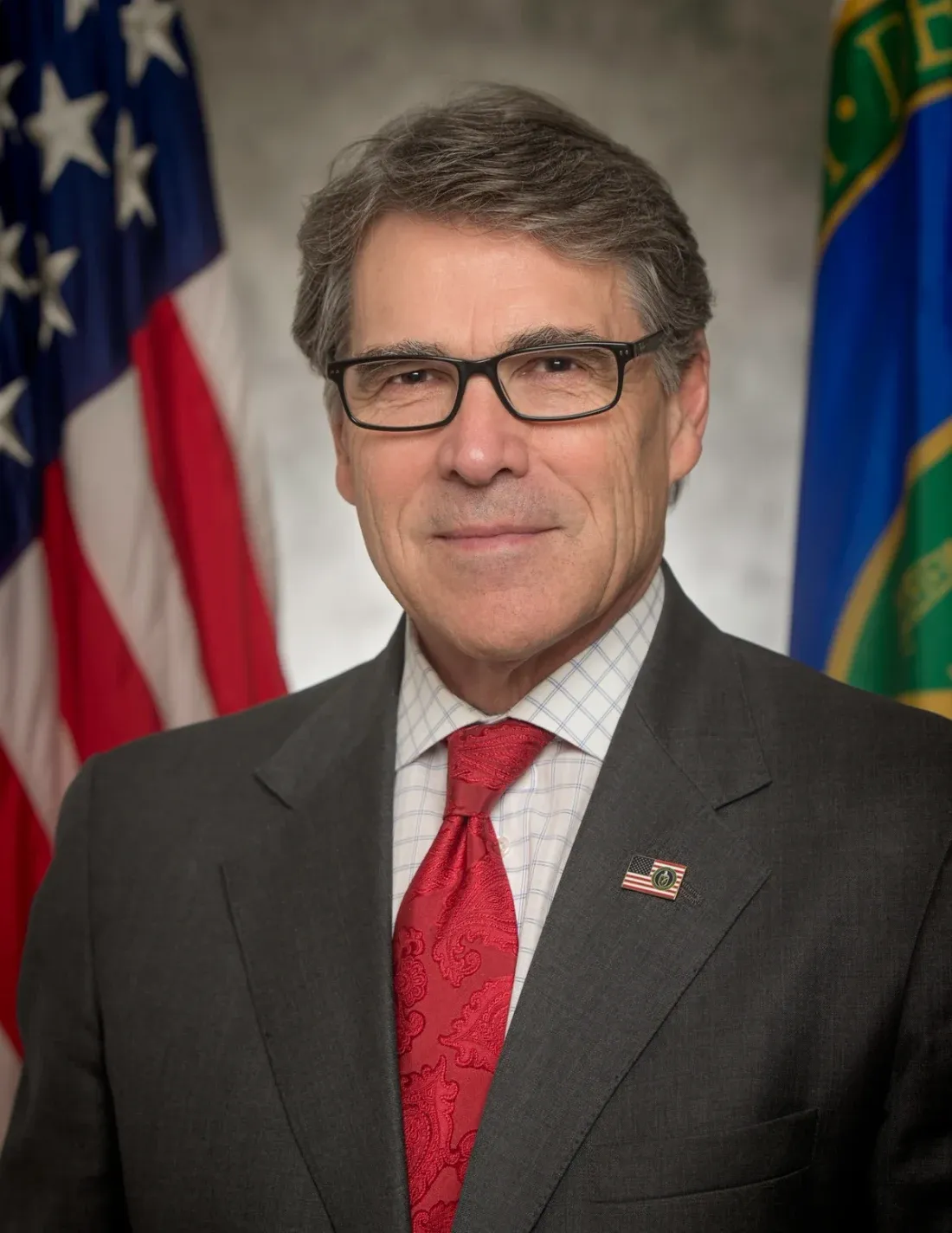
Rick Perry is the reason ibogaine has a Republican constituency in the United States. He is a former governor of Texas and a former US energy secretary, and he chairs Americans for Ibogaine, the organisation running the national campaign.
What he has actually done
Perry campaigned for the Texas research programme. The resulting framework law was signed on 11 June 2025, alongside a separate appropriation of fifty million dollars for FDA-supervised clinical trials. The governor’s announcement does not mention him, and names a different Perry among those present, the state senator Charles Perry.
He did not make ibogaine legal in Texas, and has not claimed to. It remains a federally controlled Schedule I substance and sits in Penalty Group 2 of the Texas Health and Safety Code. The mechanics are on ibogaine and Texas law.

Where the motivation comes from
Perry has not addressed publicly whether he has taken ibogaine himself. The motivation he gives is the experience of people he knows, and the case he makes is about veterans.
At a South by Southwest panel in March 2026 titled “Ibogaine in America: The Parable of Our Time”, he appeared with the retired Navy SEAL and Lone Survivor author Marcus Luttrell, who has spoken about undergoing ibogaine treatment three times, with the Berkeley neuroscientist Gül Dölen, and with Bryan Hubbard. Luttrell lived with Perry and his family after leaving the military, and Perry has described that relationship as the origin of his interest.
The sentence worth reading in full
Perry, a veteran himself, has explained why the campaign centres on veterans:
The veteran population is, he said, “a very sellable population to go to the legislature with”, because their sacrifice creates an obligation legislators find hard to refuse.
We quote that because it is unusually candid, not because it discredits the argument. A political campaign choosing its most persuasive constituency is ordinary. Knowing that the choice was made, and made deliberately, helps a reader understand why almost every article about ibogaine in America is illustrated with a veteran.
He has also been direct about the personal cost. Told by a political adviser that the association would damage the reputation he had built in public life, his reply, as Spectrum News transcribed it, was: “These men and women’s lives are not more important than my reputation.”
We print it as transcribed rather than paraphrasing it. Read literally the sentence says the opposite of what the context implies, and we would rather leave a reader with the transcript than with our reading of it.
What it has produced
One completed law, one appropriation, one consortium, and no patients treated.
Texas invited drug developers to bring an ibogaine product through an FDA trial, on condition the consortium matched the state’s money from non-state sources and shared future revenue. In March 2026 it announced it had received no proposal it judged adequate and would proceed with its own medical schools.
That outcome is the most informative fact about the programme, and it sits awkwardly with the account in which ibogaine is a proven treatment held back only by politics.
What would have to change
A physician cannot prescribe ibogaine anywhere in the United States, and no state can alter that. The sequence is Phase 2, then confirmatory Phase 3 trials, then FDA approval, then federal rescheduling. Each step takes years.
Until then, the practical position for a Texan is unchanged, and it is set out on ibogaine treatment in Texas.
Common questions
Sources
3 sources · How we source